Category: Projects

Projects…

  • Precision Toasting: Laser etched edibles

    Precision Toasting: Laser etched edibles

    Using visible lasers to etch into edible materials to selectively caramelise areas that darken to imprint images and illustrations without the use of dyes or inks of any kind. Precision toasting.

    The use of blue laser technology to etch patterns and images onto edible materials through selective caramelization is a highly innovative and creative approach to food science. By using laser technology to selectively caramelize specific areas of an edible material, it is possible to create intricate patterns and designs without the need for dyes or other artificial colorants. This not only offers a more natural and healthy alternative to traditional food coloring techniques, but also opens up a range of new possibilities for experimentation with flavor, texture, and aesthetics.

    One of the key benefits of using blue laser technology to etch patterns onto edible materials is its high level of precision and control. The laser beam can be focused and directed with great accuracy, allowing for the creation of intricate and detailed designs. This makes it possible to create a wide range of patterns and images on a variety of edible materials, including bread, cookies, and chocolate.

    In addition to its precision, the use of blue laser technology also offers a number of other benefits for food science experimentation. By selectively caramelizing specific areas of an edible material, it is possible to create a range of flavors and textures. For example, the caramelization process can be used to create a crunchy or crispy texture, or to enhance the sweetness or complexity of a food’s flavor. This offers a range of possibilities for experimentation with new and unique flavors and textures.

    Overall, the use of blue laser technology to etch patterns and images onto edible materials through selective caramelization is a highly innovative and creative approach that offers a range of possibilities for food science experimentation. By eliminating the need for dyes and offering a range of possibilities for flavor, texture, and aesthetics, this approach has the potential to revolutionize the way we think about food and food presentation.
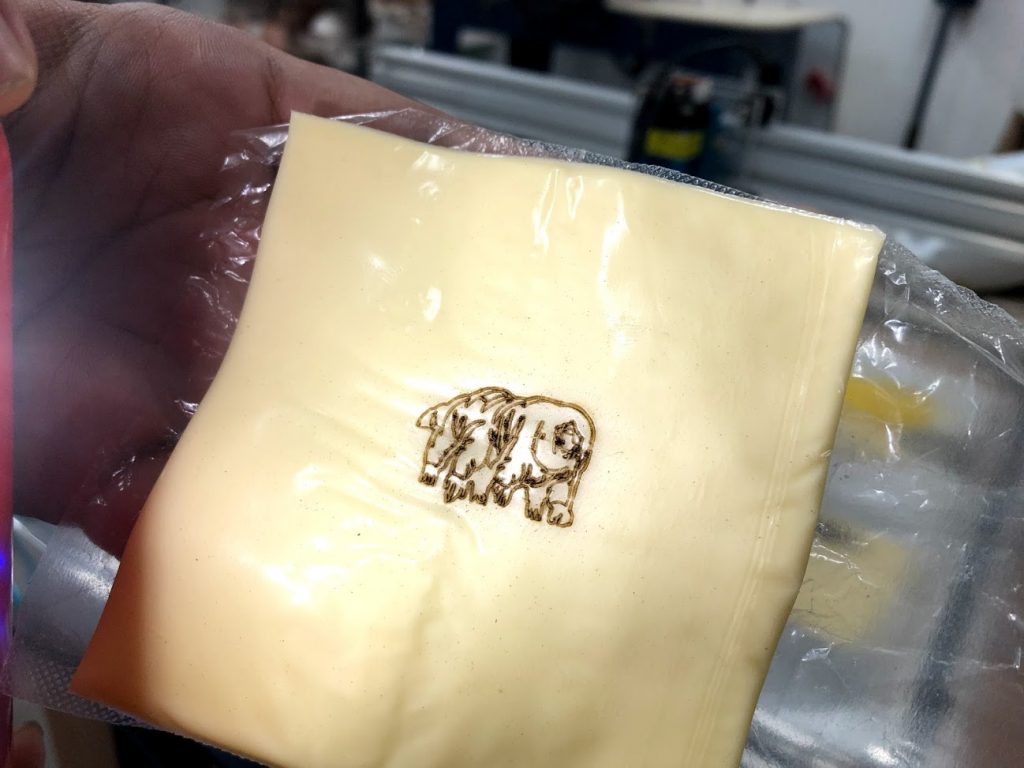
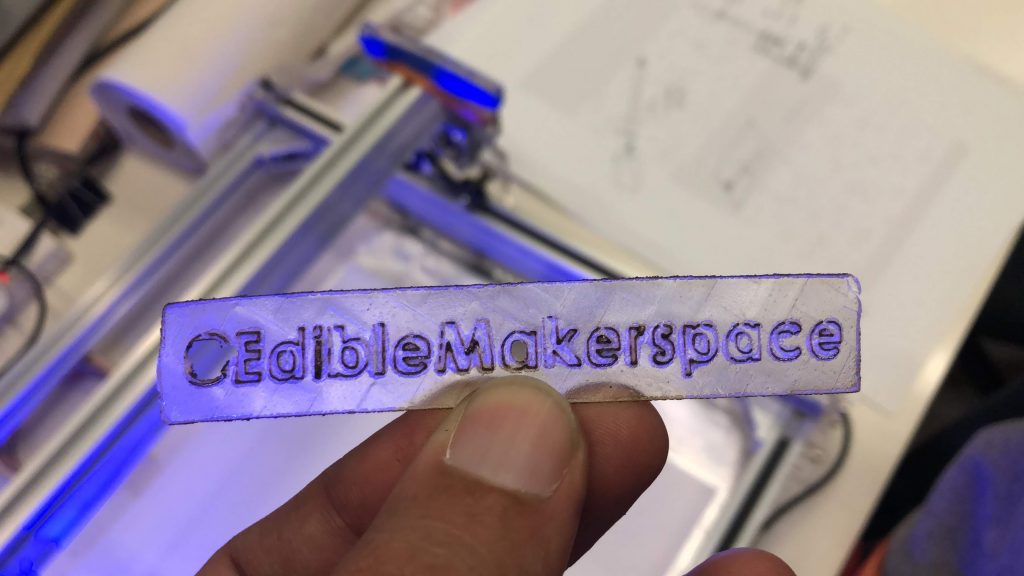
    illustration of a tardigrade laser etched onto a slice of cheese
    Cheesy Tardigrade
    laser etched edible rice-paper with the words "Edible Makerspace"
    laser etched edible tags
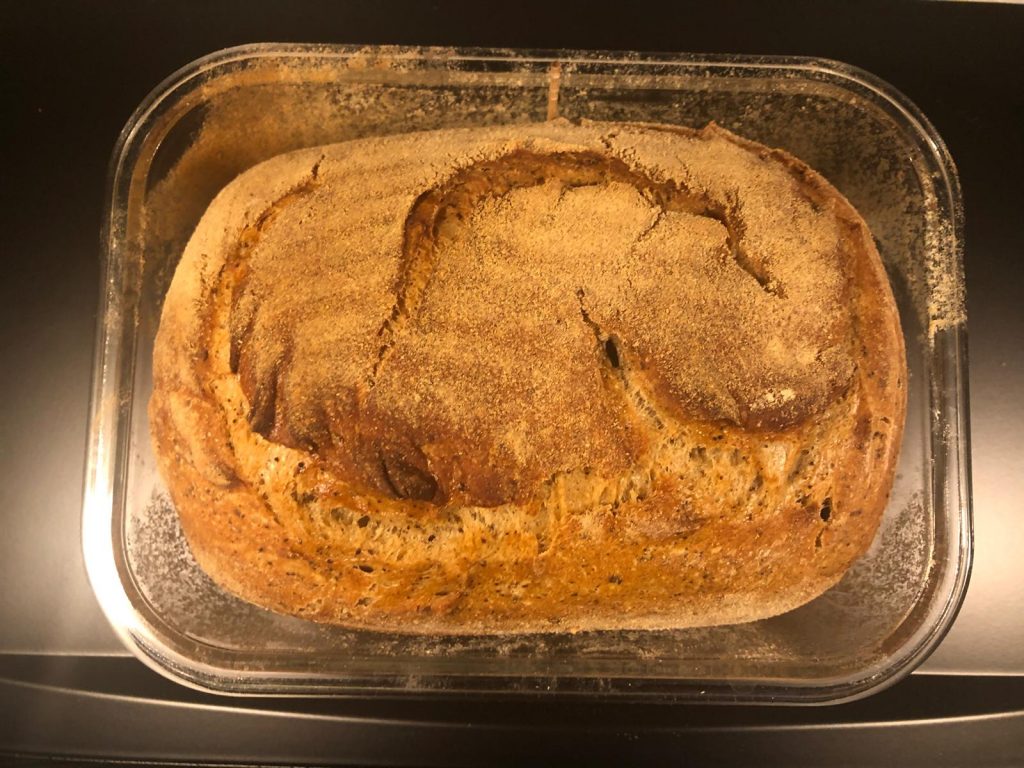
  • It’s sour though/dough

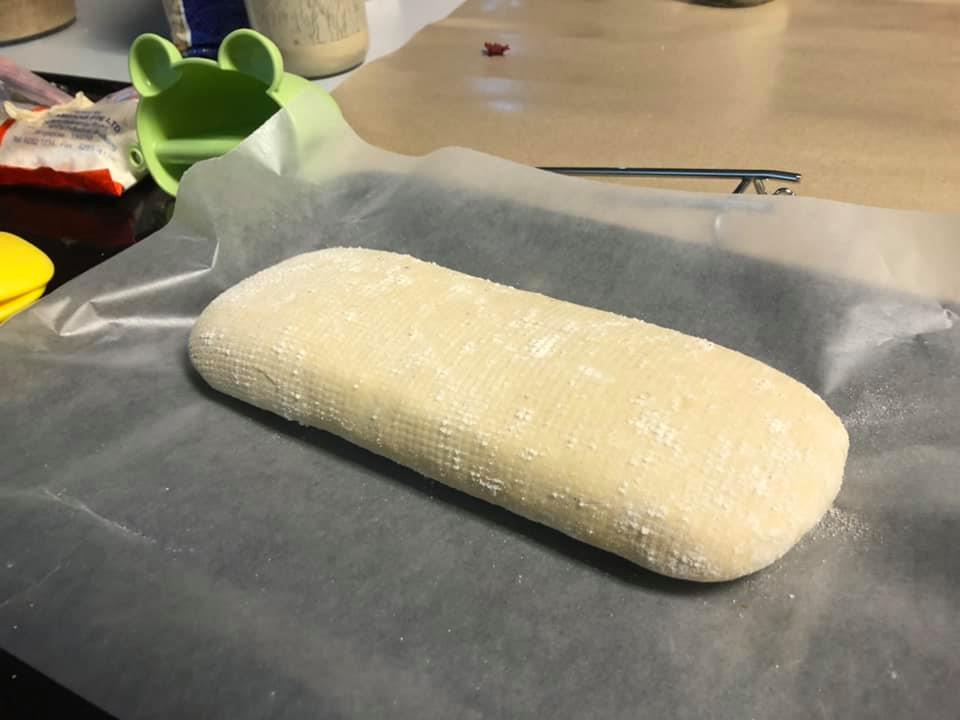
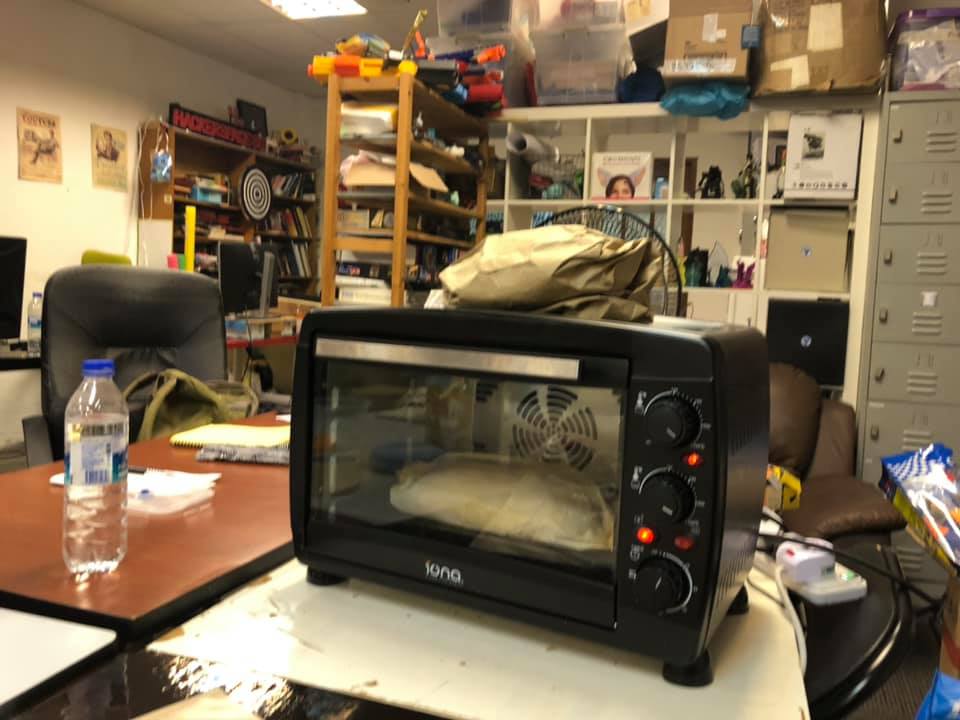
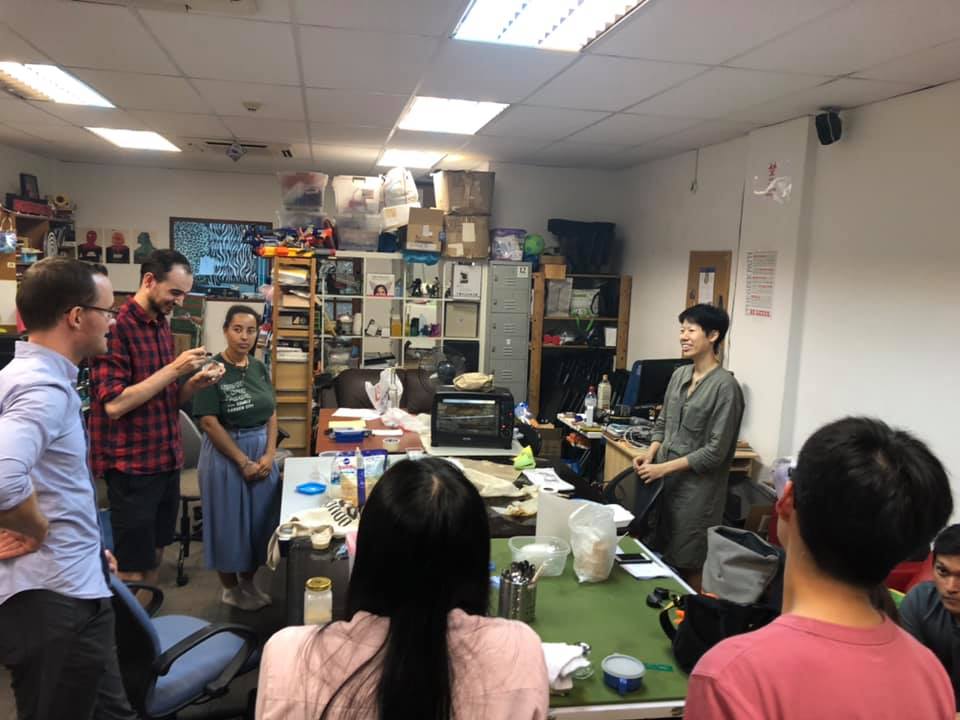
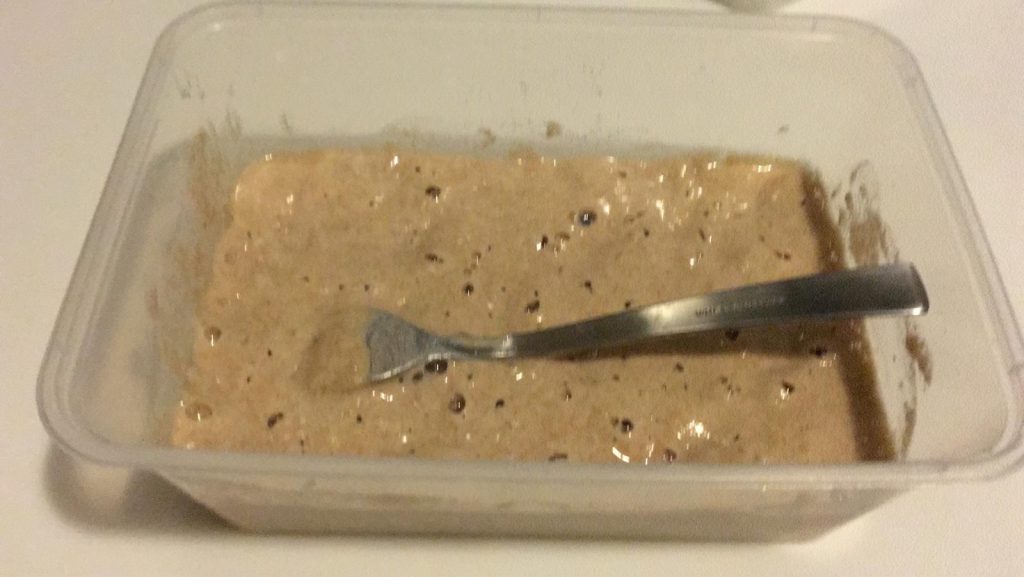
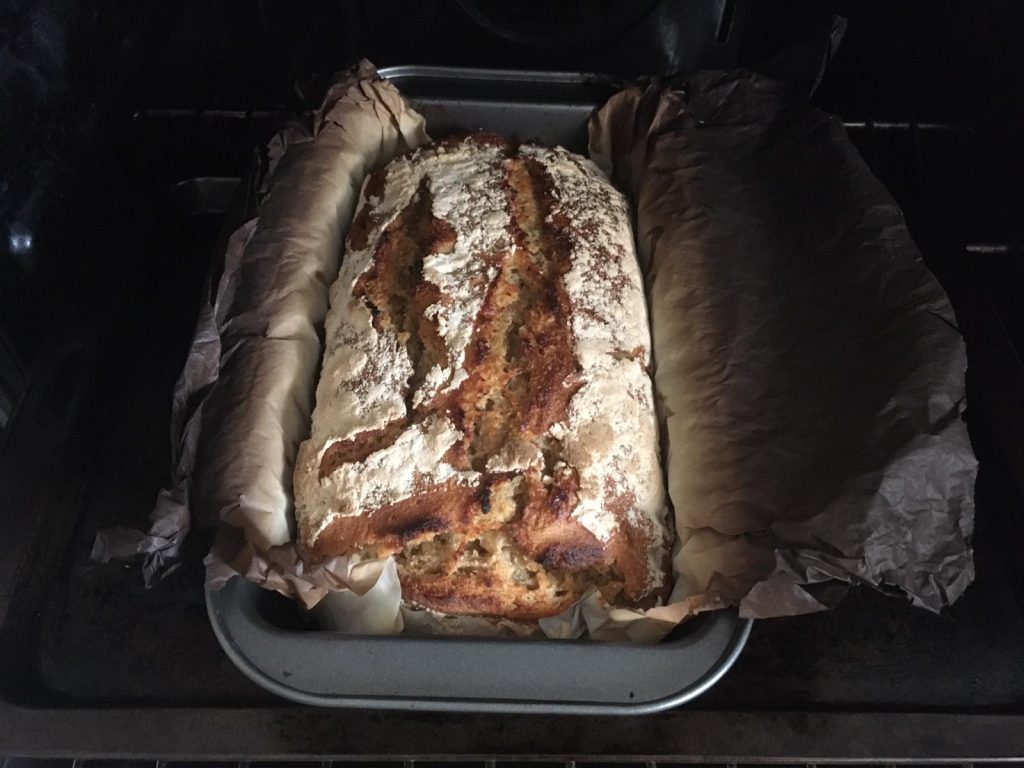
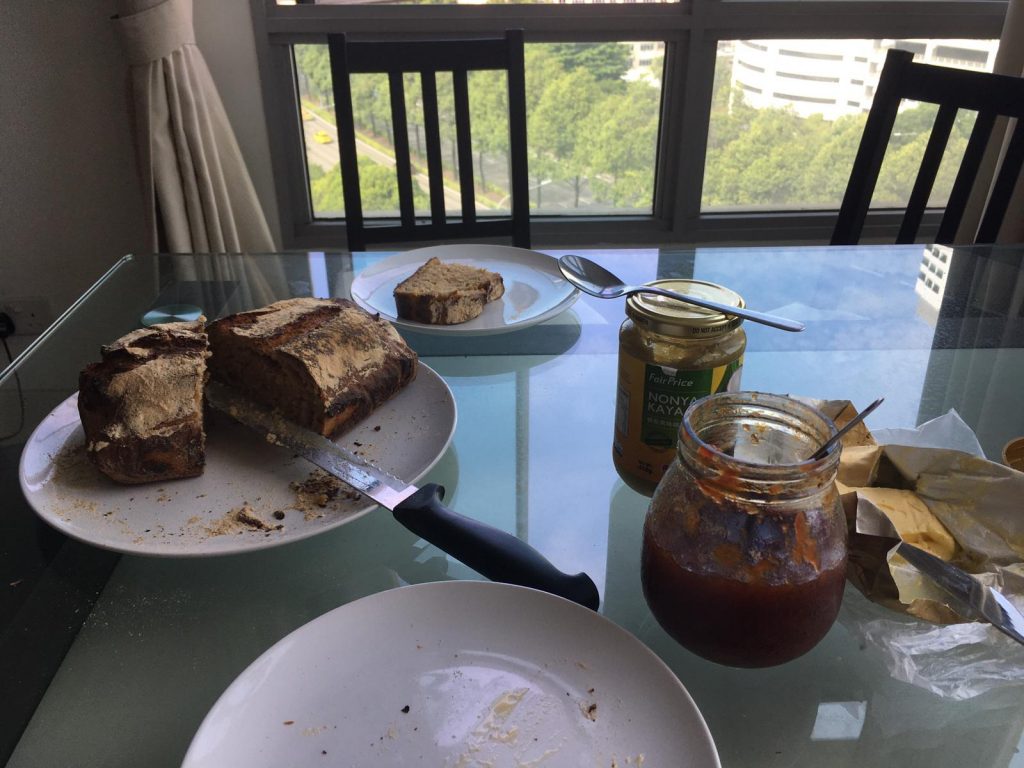
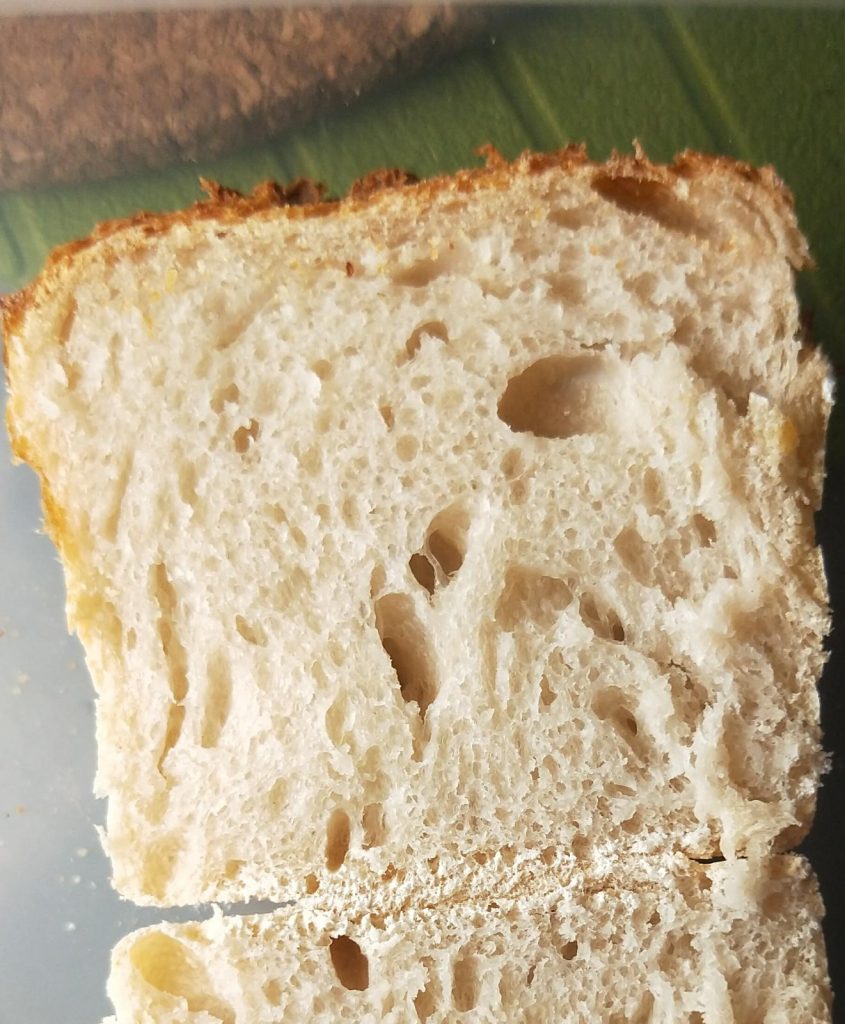
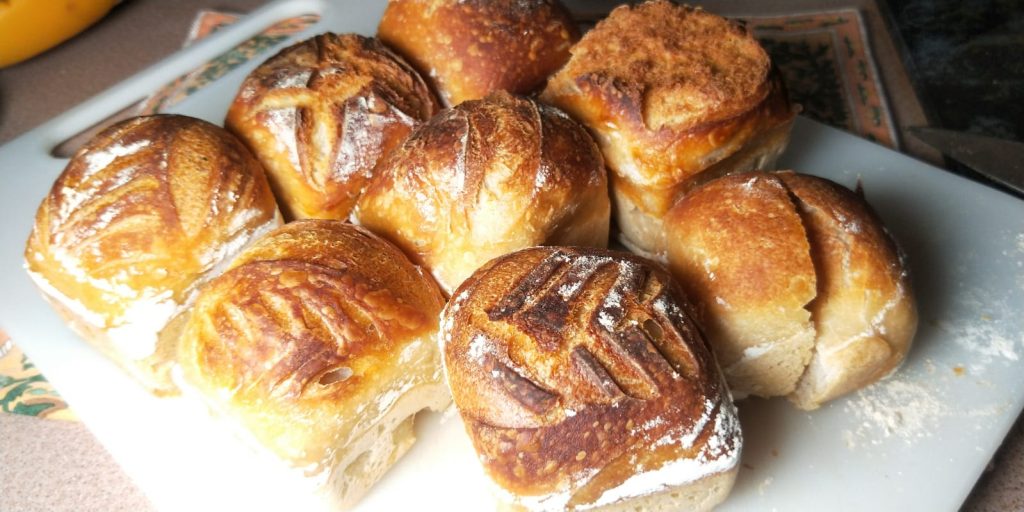
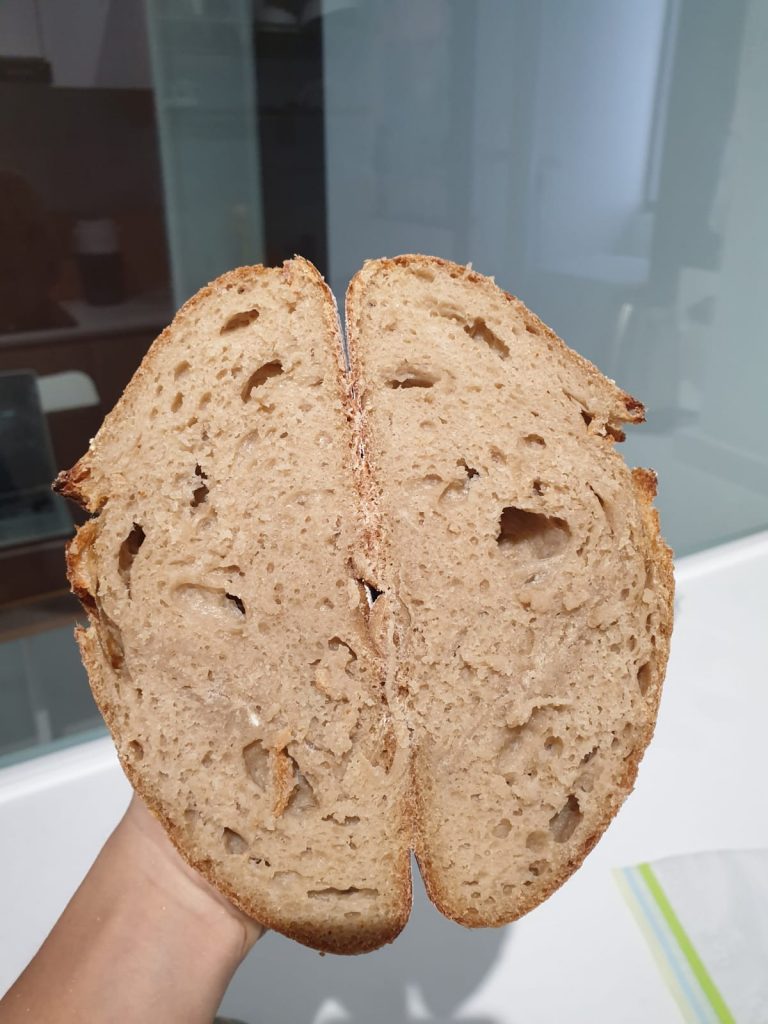
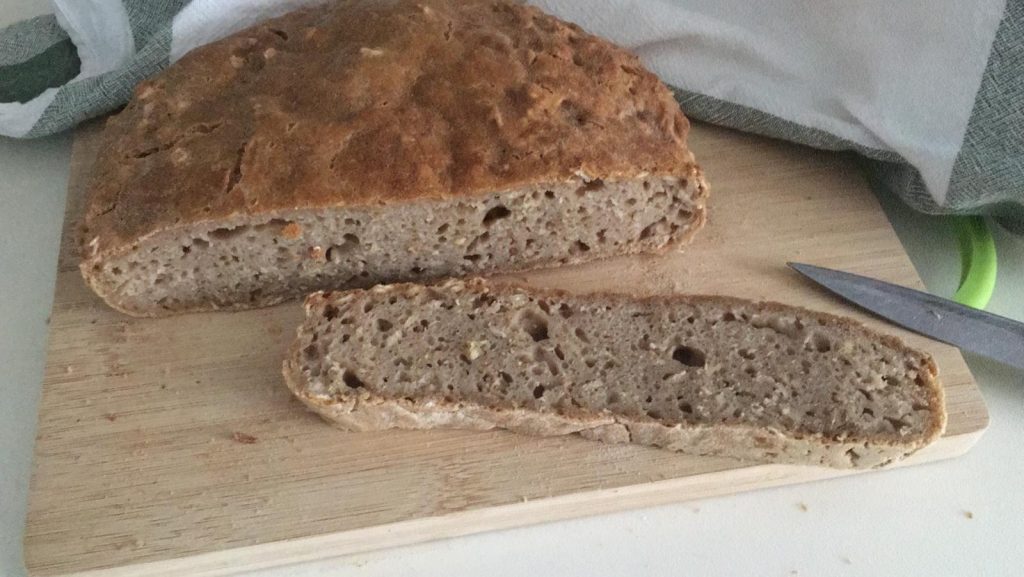
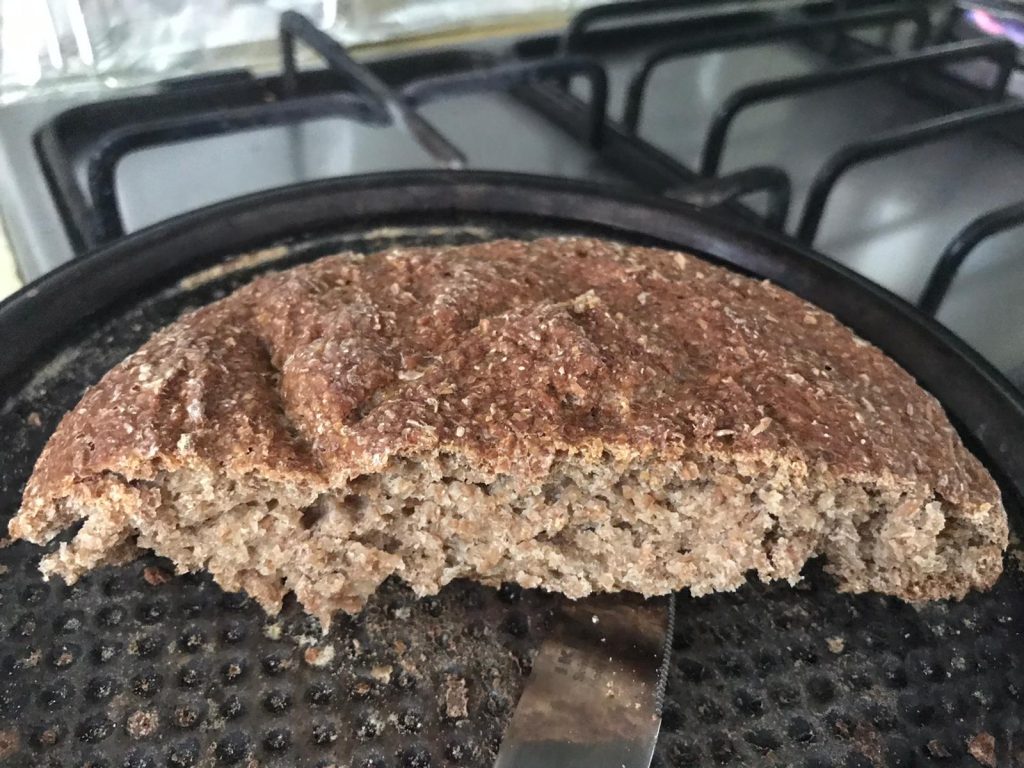
    The hackerspace SG was full of the smell of what people from 6000 years ago would describe as that wonderful “new cave smell”. In spite of the technology of the current day being in full bloom, the baking of bread promptly and effectively disrupted this otherwise natural wild fermentation of geek culture (literally).
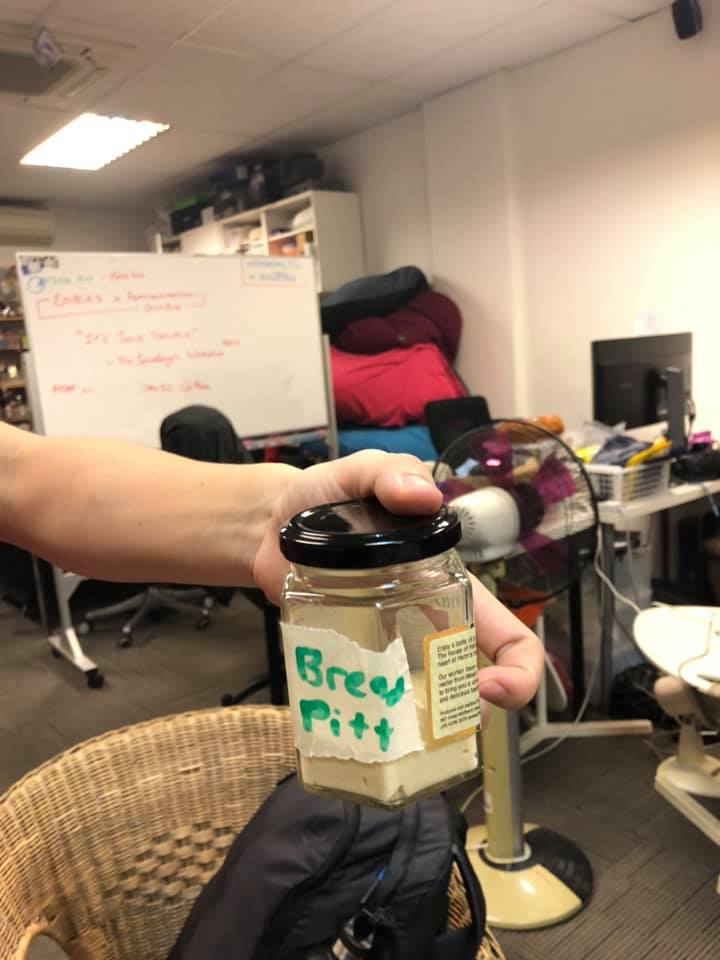
    A diverse group of people arrived with wonderfully creative ideas, and a general culturally curious disposition. Bread was baked. It was eaten, with scepticism at first, followed promptly by hunger and deliciousness. Oh and we made starter, creatively named and taken home to ferment.

    The wonder-bread folks fed their starters, experimented with the baking of bread, and discussed via secure instant messaging. For starters.

  • cheezy title

    something cheesy

  • OpenFlexure Microscope

    OpenFlexure Microscope

    3D Printed, RaspberryPi powered, OpenSource all the way.

    The OpenFlexure microscope is an innovative and exciting project that utilizes flexures, 3D printing, and low cost components to create a highly accessible and affordable microscope. This microscope has the potential to revolutionize the way that scientists and educators access and use microscopes, particularly in developing countries and communities that may not have the resources to purchase expensive equipment.

    One of the key features of the OpenFlexure microscope is its use of flexures. Flexures are small, flexible elements that are used to create precise movements and adjust the focus of the microscope. These flexures allow the microscope to be highly precise and accurate, while also being extremely affordable and easy to maintain.

    Another important aspect of the OpenFlexure microscope is its reliance on 3D printing technology. The microscope can be easily assembled using 3D printed parts, which allows for quick and easy customization and maintenance. This also means that the microscope can be easily replicated and shared with others, making it an ideal tool for open science communities like AfricaOSH and GOSH.

    The OpenFlexure microscope also utilizes a Raspberry Pi, which is a small, low cost computer that can be used to control and program the microscope. This allows users to easily customize and program the microscope to suit their needs, and opens up a world of possibilities for experimentation and exploration.

    One of the most exciting aspects of the OpenFlexure microscope is its low cost and highly accessible nature. This microscope has the potential to revolutionize the way that scientists and educators access and use microscopes, particularly in developing countries and communities that may not have the resources to purchase expensive equipment. This collaborative project, with a strong connection between Africa and Europe, has the potential to democratize science and bring new discoveries and innovations to communities that may not have otherwise had access.

    However, it is important to also consider the potential limitations of the OpenFlexure microscope. While it is an exciting and innovative project, it is important to question the optimism for its open source nature and the science it enables for those who may not have access to traditional microscopes. It is also important to consider the potential limitations of 3D printing and low cost components, and whether these may affect the accuracy and precision of the microscope.

    Overall, the OpenFlexure microscope is a highly innovative and exciting project that has the potential to revolutionize the way that scientists and educators access and use microscopes. Its low cost, highly accessible nature and strong connection to open science communities make it an ideal tool for democratizing science and bringing new discoveries and innovations to underserved communities.

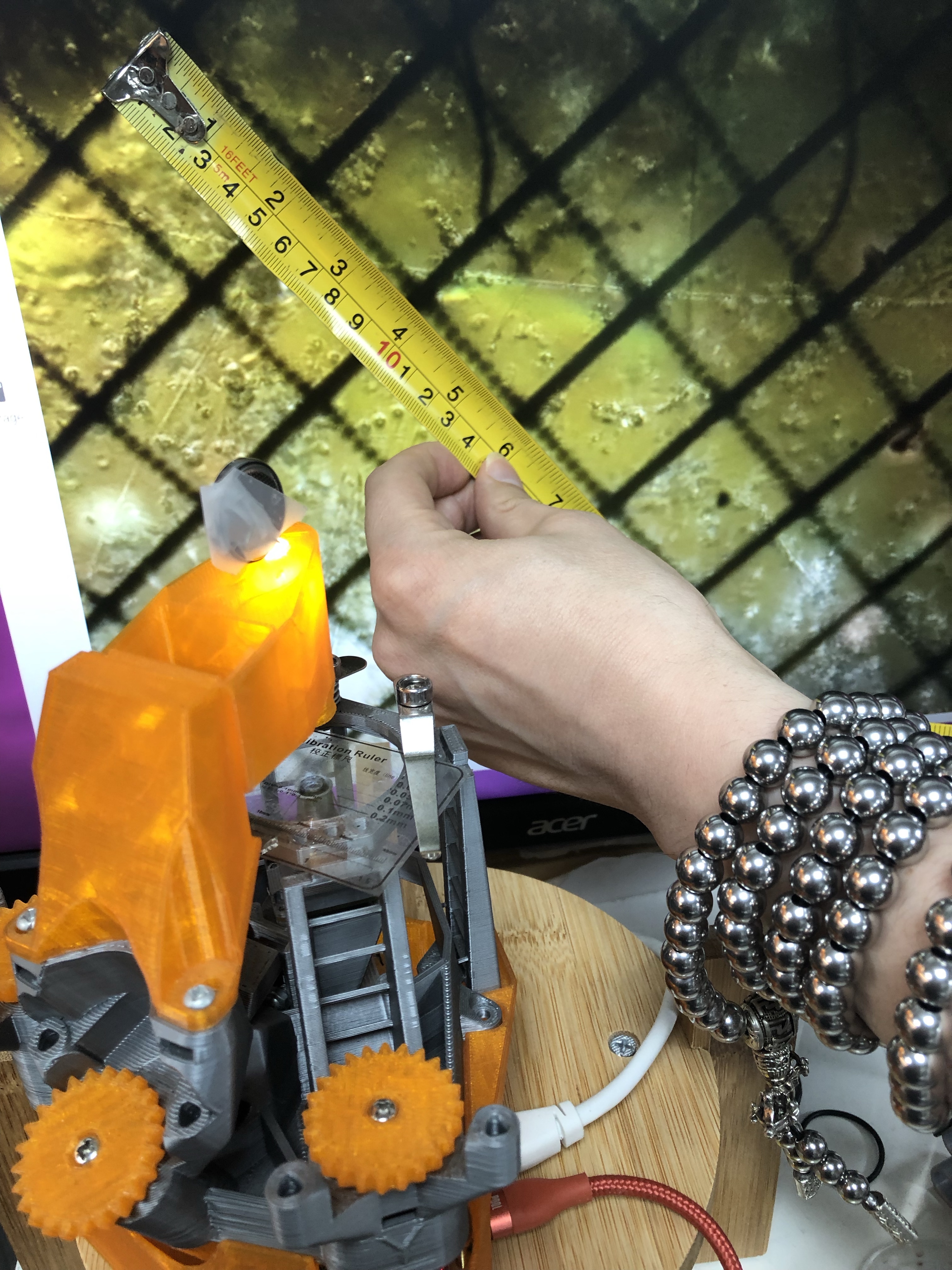
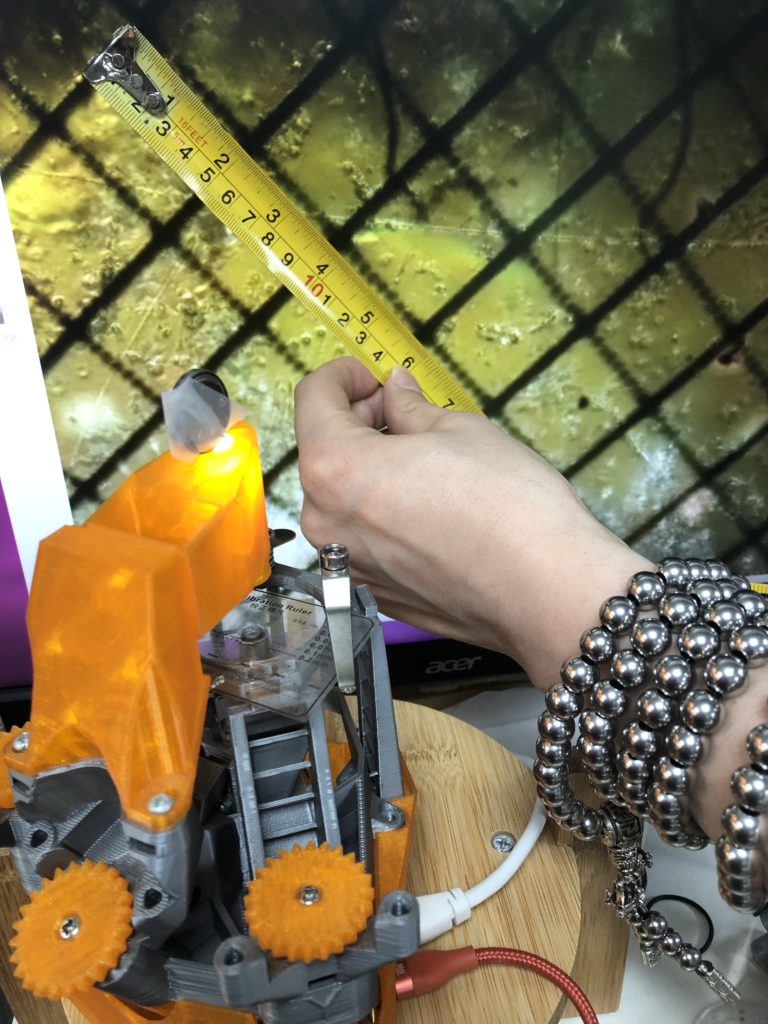
    openFlexure 3d printed microscope showing resolution with a large display screen and measuring tape
    openFlexure 3d printed microscope showing resolution and magnification