Recipe Yield: 1 Liter
Target pH: 5.0 – 6.0
Culture Method: Static (no shaking)
Ingredients
Primary Components
• 20g Glucose (table sugar can substitute)
• 5g Yeast Extract (nutritional yeast flakes work)
• 5g Peptone (unflavored gelatin powder as substitute)
• 2.7g Disodium Phosphate (Na₂HPO₄ – pool/cleaning supply grade)
• 1.15g Citric Acid (canning/baking section)
Optional (for solid medium)
• 15g Agar (unflavored gelatin as substitute)
Additional Supplies Needed
- 1L distilled water
- White vinegar (for pH adjustment)
- Baking soda (if pH too low)
Equipment Required
- • Large measuring beaker (1L capacity or larger)
- • Digital scale (0.1g precision minimum)
- • Stirring rod or large spoon
- • pH test strips or digital pH meter
- • Pressure cooker or autoclave
- • Culture vessels (wide-mouth jars work well)
- • Heat source for dissolving agar (if using)
Step-by-Step Instructions
Step 1: Prepare Base Solution
• Measure 900ml of distilled water into your large beaker
• Add the following ingredients in order, stirring after each addition:
• 20g glucose (stir until completely dissolved)
• 5g yeast extract (may take a few minutes to dissolve)
• 5g peptone (stir thoroughly)
• 2.7g disodium phosphate (dissolve completely)
• 1.15g citric acid (should dissolve quickly)
Step 2: Check and Adjust pH
• Test the pH using strips or digital meter
• Target range is 5.0 to 6.0
• If pH is too high (above 6.0): Add white vinegar drop by drop, testing after each addition
• If pH is too low (below 5.0): Add dilute baking soda solution very carefully
• Record final pH for your notes
Step 3: Add Agar (Optional – Skip for Liquid Medium)
• For solid medium only: Add 15g agar to the solution
• Heat the mixture while stirring continuously
• Keep heating and stirring until agar is completely dissolved (solution should be clear)
• For liquid medium: Skip this step entirely
Step 4: Adjust Final Volume
• Add distilled water gradually to reach exactly 1L total volume
• Mix thoroughly to ensure even distribution
• Double-check that all components are fully dissolved
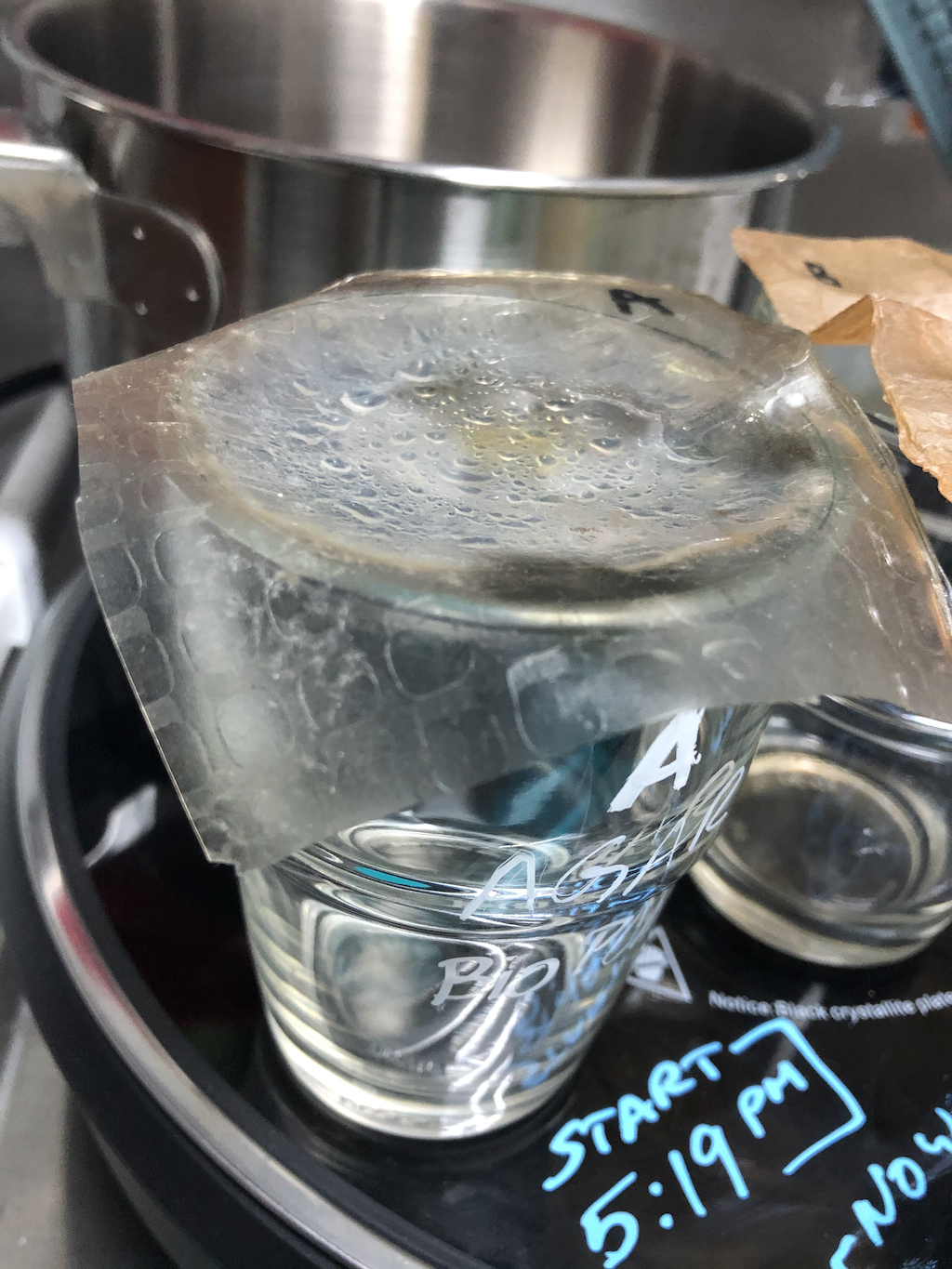
Step 5: Sterilize the Medium
• Pressure cooker method: Cook at 15 PSI for 15 minutes
• Autoclave method: Sterilize at 121°C for 15 minutes
• Important: Allow to cool to room temperature before proceeding
• Do not skip sterilization – contamination will ruin your cellulose culture
Step 6: Inoculate and Incubate
• Under sterile conditions, add your Acetobacter culture to the cooled medium
• Critical: Place containers in a location where they will not be disturbed
• Do not shake or move – cellulose forms at the air-liquid interface
• Incubate at room temperature (20-30°C is ideal)
• Cover loosely to allow air exchange but prevent contamination
Expected Results and Timeline
What to Look For:
• Days 1-3: Solution may become slightly cloudy
• Days 3-7: Thin film may start forming at surface
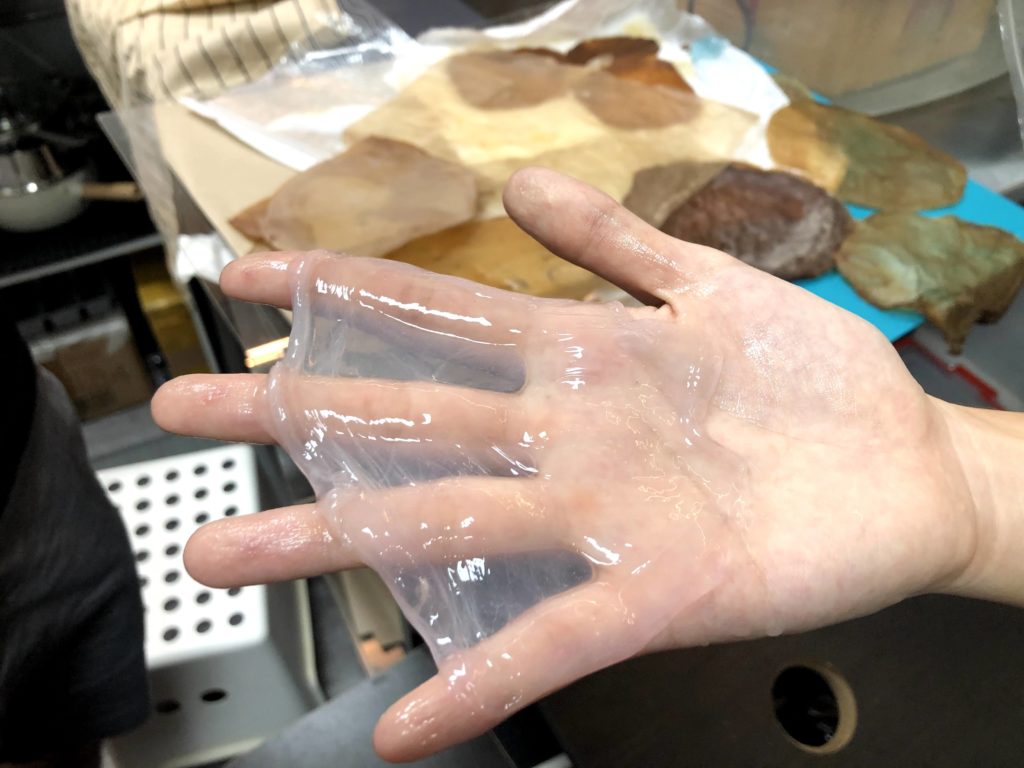
• Days 7-14: Thick, white, rubbery pellicle develops (this is your bacterial cellulose!)
• Full maturation: 2-4 weeks for thick, harvestable cellulose
Troubleshooting:
• No pellicle formation: Check pH, temperature, and ensure static conditions
• Contamination (fuzzy growth): Restart with better sterilization
• Thin pellicle: May need longer incubation time or fresh inoculum
Pro Tips for Success
1. Static is essential – Any movement disrupts cellulose formation
2. pH monitoring – Slightly acidic conditions favor cellulose production
3. Fresh inoculum – Use actively growing Acetobacter culture for best results
4. Temperature stability – Avoid temperature fluctuations
5. Patience – Good cellulose takes time to develop
Safety Notes
• Always use proper sterile technique when handling bacterial cultures
• Wear gloves when handling chemicals, especially disodium phosphate
• Ensure adequate ventilation when working with acetic acid bacteria
• Dispose of cultures properly according to local regulations
Harvesting Bacterial Cellulose
When ready to harvest (usually 1-4 weeks):
1. Carefully lift the pellicle from the surface
2. Rinse thoroughly with distilled water
3. Can be processed further or stored in water in refrigerator
4. The cellulose pellicle is food-safe and can be used in various applications
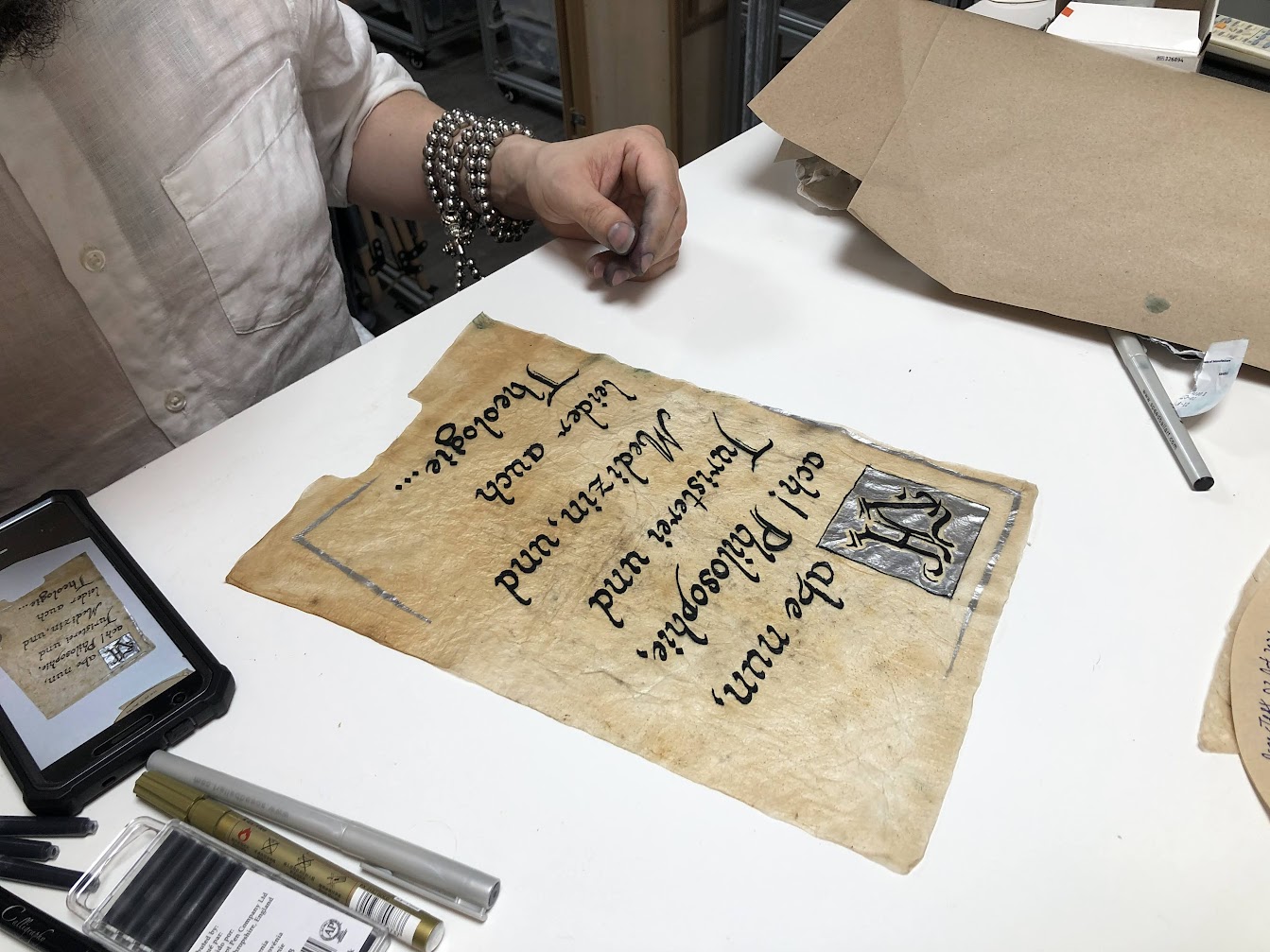
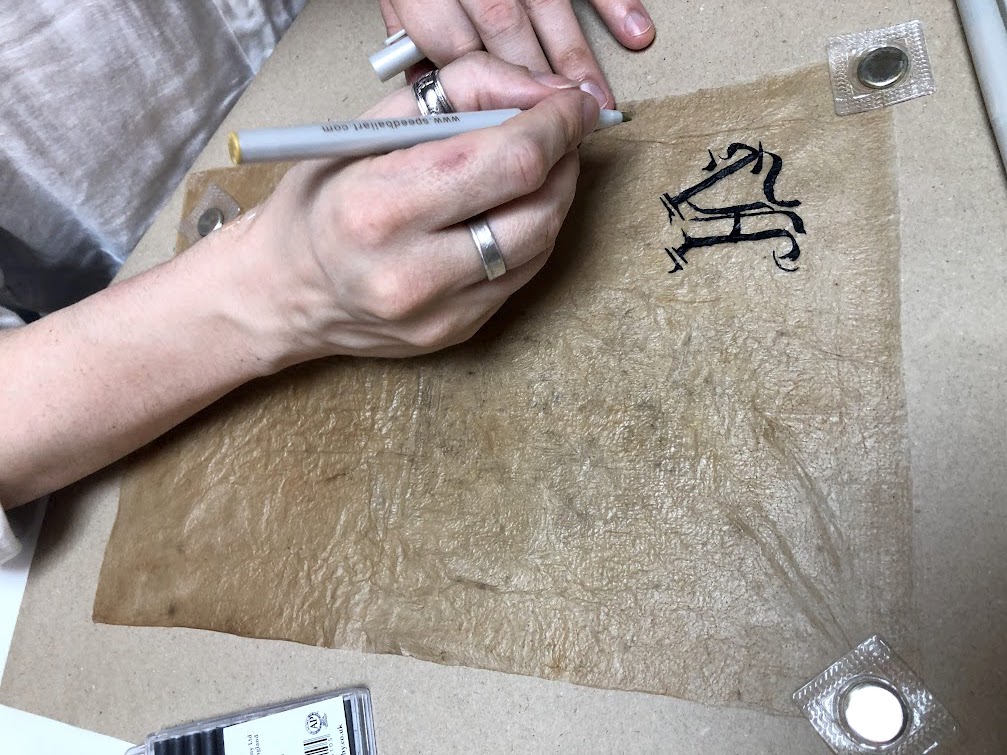
This recipe produces the classic Hestrin-Schramm medium used worldwide for bacterial cellulose research and production. The medium provides optimal nutrition for Acetobacter species and related cellulose-producing bacteria.
 https://www.youtube.com/watch?v=6ar409c3vKM